

Compliance That Fits E-Freight ERP Users
From eFreight ERP Activity To Digital Documents
- Cargo Transaction Context: Shipment activity from eFreight ERP supplies essential commercial context for invoice creation and processing.
- Consignee Account References: Customer and consignee records provide identifying information required across connected freight billing processes.
- Transport Service Details: Service information describes the underlying freight activity represented within structured electronic invoice records.
- Charge Information Assembly: Applicable freight charges are organized alongside transaction details before electronic documents proceed for processing.
- Invoice Response Handling: Processing information can remain connected to originating eFreight ERP records for operational visibility.
- Accounting Data Handoff: Invoice information supports subsequent reconciliation, reporting, and finance activities without disconnecting logistics records.
Where eFreight ERP Operations Meet Finance
Advintek creates a connected layer between eFreight ERP logistics information, electronic invoices, customer accounts, freight charges, tax records, and financial systems.
- Matches shipments with billing information
- Connects consignees with invoice records
- Coordinates freight charges with tax
- Extends logistics data into finance
Practical Gains Across eFreight ERP Management
- Shipment Billing Visibility: Invoice information gives finance teams stronger visibility into charges generated from completed freight activity and billing events.
- Accurate Customer Billing: Connected customer records help maintain reliable billing information across daily logistics operations and financial processes.
- Freight Charge Traceability: Invoice details can remain associated with underlying shipment activity for clearer financial examination and transaction-level review.
- Reliable Tax Information: Structured tax information supports consistent treatment across freight transactions and related electronic invoice documents.
- Clearer Finance Reconciliation: Connected records help teams compare invoice activity with shipment details and corresponding billing information.
- Continuous Logistics Reporting: Invoice information can complement eFreight ERP reporting across operational performance and broader financial analysis.
Financial Oversight Within eFreight ERP
Shipment Invoice Review
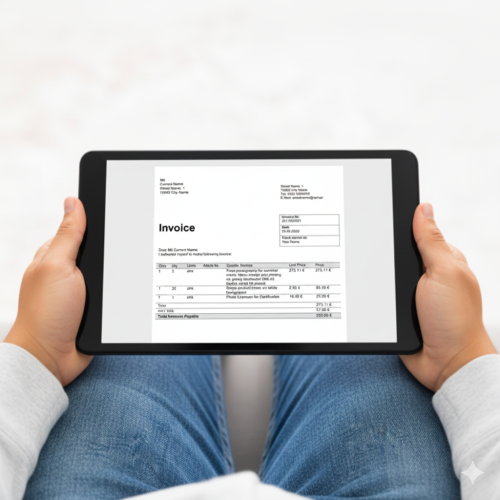
Examine billing documents alongside shipment information to understand financial activity.
Freight Charge Analysis
Review invoiced transport charges against corresponding eFreight ERP transaction records.
Tax Detail Inspection
Inspect tax information within invoice records to support finance review and document control.
Extending Logistics Data Into Enterprise Finance
eFreight ERP can support a connected finance environment where shipments, freight services, customers, invoices, tax information, and accounting records remain coordinated.
- Connects freight activity with accounting
- Relates shipments to customer billing
- Links transport services with invoices
- Supports finance from logistics records
Streamline Your Logistics Invoice Flow
Connect freight billing, shipment records, customer data, and finance through Advintek.
Activate Slovakia E-Invoicing for eFreight ERP
Ready e-Invoice System
Frequently Asked Questions E-Freight ERP E-Invoicing Slovakia
How Does eFreight ERP Facilitate Slovakia E-Invoicing?
eFreight ERP can supply shipment, freight order, customer, service, charge, tax, and billing details for electronic invoice processing. Advintek organizes relevant logistics information into structured invoice workflows while retaining connections to the original ERP records. This allows freight businesses to align shipment activity with invoicing, financial reconciliation, reporting, and Slovakia’s electronic invoicing requirements.
Which logistics records can eFreight ERP provide for invoices?
eFreight ERP can provide shipment references, consignee information, freight services, transport charges, customer details, and related transaction data. These records can support invoice construction through Advintek while retaining their relationship with logistics operations. This enables finance teams to work with billing information that remains connected to the underlying freight activity and ERP records.
Can eFreight ERP charges remain linked to shipment records?
Yes. eFreight ERP charges can remain associated with relevant shipment and transaction references as invoice information moves through connected processing. Advintek helps maintain these relationships between eFreight ERP and electronic invoicing workflows. This gives finance teams useful context when reviewing billing, reconciling transactions, examining customer accounts, or preparing financial reports.
How does eFreight ERP handle tax information?
Applicable tax information associated with freight transactions can be incorporated into structured invoice records through Advintek. Relevant VAT fields can accompany shipment, customer, service, and charge information during processing. This supports consistent financial documentation while aligning the workflow with Slovakia’s e-invoicing environment and requirements administered by the Financial Administration.
Why integrate eFreight ERP with Advintek?
Integrating eFreight ERP with Advintek connects logistics operations directly with e-invoice processing. Shipment data, freight charges, customer records, tax information, and billing references can participate in one coordinated workflow. This reduces separation between transport operations and finance while supporting document processing, reconciliation, reporting, and broader enterprise financial management.